
When it comes to shipping industrial parts, medical devices, or high-value electronics, procurement departments often face a choice between two entirely different worlds: cheap, generic bubble wrap or precision-engineered custom foam inserts.
While popping bubble wrap is great for stress relief, relying on it to protect a five-thousand-dollar industrial pump or a sensitive laboratory instrument is a recipe for logistical disaster. Choosing between foam vs bubble wrap packaging is not just a matter of price; it is a choice between manual guesswork and engineered predictability. This guide breaks down why industrial protection demands a shift away from commodity wraps and toward custom foam.
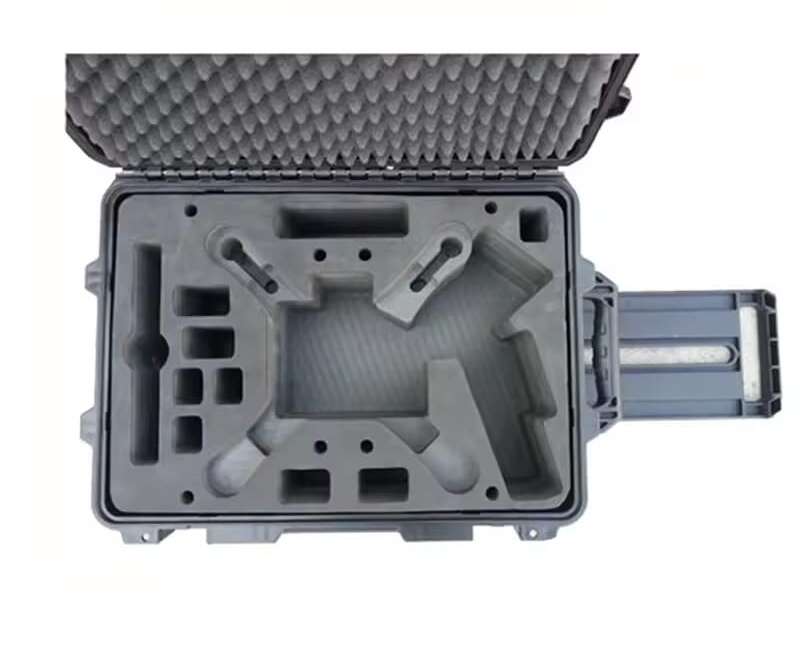
When comparing foam vs bubble wrap packaging for industrial use, custom foam inserts offer significantly higher protection, faster packing speeds, and better long-term ROI. Bubble wrap relies on thin air pockets that easily pop under heavy loads, making it highly unreliable for heavy or delicate B2B equipment. Custom foam inserts, made from engineered materials like
Polyethylene or XLPE, are CNC-routed to the exact shape of the product. This removes human error from the packing process, prevents the item from shifting, and cuts warehouse packing labor by up to 70 percent.
THE MECHANICS OF PROTECTION
The fundamental flaw of bubble wrap in industrial environments is its structural limitation. Bubble wrap relies on thin plastic film trapping small pockets of air. For lightweight consumer goods like books or plastic toys, this is perfectly fine. However, heavy industrial components exert high localized pressure. Under a heavy load or a sudden drop, the air bubbles simply pop or deflect fully, leaving the product to crash directly into the outer cardboard wall.
Engineered foam inserts utilize a closed-cell structure. Materials like Polyethylene (PE) and Cross-Linked Polyethylene (XLPE) consist of millions of micro-cells that act as independent, heavy-duty springs. When a heavy object is dropped, these cells compress gradually, absorbing the kinetic energy and slowing the product down safely. Unlike bubble wrap, closed-cell foam has high memory retention, meaning it bounces back to its original shape after an impact, ready to protect the item from subsequent shocks.
MAN HOUR SAVINGS AND WAREHOUSE EFFICIENCY
In high-volume B2B fulfillment operations, labor is one of the highest expenses. Packing an item with bubble wrap is a highly manual, inconsistent process. A warehouse worker must pull the wrap, roll the item multiple times, cut the plastic, and secure it with tape. This process can take anywhere from two to five minutes per package.
Furthermore, the quality of the protection depends entirely on how tired or well-trained the worker is on a Friday afternoon.
Custom foam inserts eliminate the human variable. Because the foam is CNC-machined to match the exact 3D footprint of the product, packing becomes a simple drop-and-go operation.
A worker opens the box, drops the product into its pre-cut cavity, and seals the carton. This process takes less than fifteen seconds. By switching from bubble wrap to custom foam inserts, companies regularly reclaim hundreds of man-hours per month, allowing their warehouse staff to focus on higher-value tasks.
THE HIDDEN COSTS OF COMMODITY PACKAGING
Many purchasing managers choose bubble wrap because the upfront roll cost appears lower than investing in custom-cut foam. This is a classic example of looking at unit price instead of the total cost of ownership.
First, bubble wrap is unpredictable, leading to a much higher damage rate. A single broken industrial part can cost thousands of dollars in replacement inventory, expedited return freight, and administrative friction.
Second, bubble wrap requires oversized boxes. To get even basic protection from bubble wrap, workers must wrap an item multiple times, which drastically increases the physical volume of the package. Modern freight carriers charge based on Dimensional Weight, meaning you are billed for the space your box takes up on the truck, not just how much it weighs. Custom foam allows for a much tighter, more efficient fit, enabling you to use smaller boxes and significantly lower your monthly shipping invoices.
SUSTAINABILITY AND PROFESSIONAL BRANDING
In modern B2B logistics, sustainability and presentation matter. Bubble wrap is a single-use material. Once a customer receives the package, the wrap is typically sliced open, ruined, and thrown directly into a landfill. It cannot be easily reused.
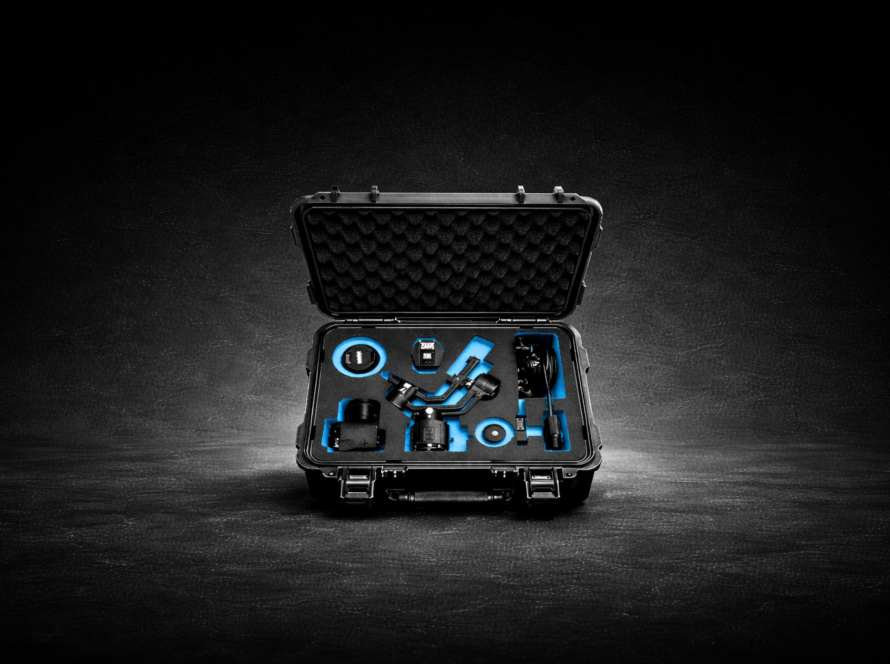
Custom foam inserts, especially when paired with plastic flight cases or heavy-duty totes, enable closed-loop returnable logistics. A high-density PE foam insert can survive fifty to one hundred round trips between a manufacturing facility and an assembly plant without losing its protective qualities. This eliminates packaging waste entirely over time.
Additionally, unboxing a premium piece of equipment from a pile of messy, taped-up bubble wrap looks amateur. When a customer opens a box and sees their asset perfectly cradled in a branded, precision-cut foam insert, it immediately reinforces your company’s commitment to quality and engineering excellence.
CONCLUSION
While bubble wrap has its place in low-cost, lightweight retail shipping, it fails to meet the structural and financial demands of industrial logistics. Choosing custom foam vs bubble wrap packaging protects your products from the physical hazards of transit while protecting your business from labor inefficiency, high freight costs, and the financial sting of transit damage. For high-value, heavy, or sensitive B2B assets, custom-engineered foam inserts are an investment that pays for itself within the first few shipments.