
In the protective packaging industry, materials are broadly divided into two categories: open-cell and closed-cell foams. While open-cell foam is excellent for everyday comfort items like mattresses or acoustic padding, it lacks the structural integrity required to defend heavy, fragile, or high-value products during transit.
For demanding shipping environments, closed-cell foam packaging is the undisputed industry standard. By understanding the science behind this material, procurement and logistics managers can design packaging that maximizes asset protection while minimizing material waste and shipping costs.
The primary role of closed-cell foam packaging is to provide high-performance shock absorption, structural support, and environmental resistance for products during transit. Because the cells are completely sealed and packed tightly together, closed-cell foam does not absorb water, resists chemicals, and offers exceptional load-bearing capacity. This allows packaging engineers to use thinner layers of foam to achieve the same or better protection than thicker, open-cell alternatives, effectively reducing overall shipping box dimensions and freight costs.
THE MATERIAL SCIENCE OF CLOSED-CELL FOAM
To appreciate the value of closed-cell foam packaging, you have to look at it on a microscopic level.
In an open-cell foam, the walls of the tiny bubbles are broken, allowing air and regular fluids to flow freely through the material. Think of a kitchen sponge: it compresses easily and soaks up water instantly.
In contrast, closed-cell foam is made of millions of tiny, intact bubbles that are completely sealed off from one another. Each cell traps a small pocket of gas. When an external force or impact presses down on the foam, these sealed bubbles act like an array of independent miniature shock absorbers. They compress slightly to cushion the blow, but they immediately push back, offering immense resistance to bottoming out.
CORE ADVANTAGES IN PROTECTIVE PACKAGING
- High Load-Bearing Capacity Because the cells are sealed, closed-cell foam can support significant weight without collapsing. This makes it ideal for heavy industrial components, automotive parts, and heavy machinery. Even under constant static stress in a warehouse for months, high-quality closed-cell foam maintains its thickness and shape.
- Hydrophobic and Chemical Resistance Moisture is a silent killer in logistics, often causing rust or electrical shorts. Closed-cell foam is entirely waterproof. It creates a physical barrier against humidity, rain, and sea spray. Additionally, it resists degradation from common industrial chemicals, oils, and lubricants, ensuring the packaging remains intact even if a product leaks.
- Zero Particulate Shedding Standard low-cost foams often crumble, leaving tiny bits of plastic dust on the shipped item. For cleanroom applications, medical devices, or optical lenses, this dust ruins the product. Closed-cell foams, particularly Cross-Linked Polyethylene (XLPE), are highly tear-resistant and do not flake or shed particles.
POPULAR CLOSED-CELL MATERIALS
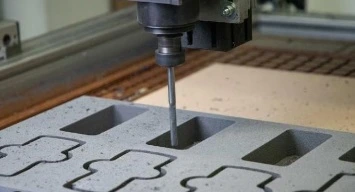
When designing custom inserts, engineers generally select from three primary types of closed-cell polymers.
Polyethylene (PE) Foam: The most common and cost-effective closed-cell material. It is highly rigid and excellent for standard industrial blocking, bracing, and cushioning.
Cross-Linked Polyethylene (XLPE) Foam: An advanced version of PE where chemical bonds link the polymer chains. This results in a microscopic cell structure with a smooth, non-abrasive surface. It is the premier choice for protecting sensitive surfaces from scratches and micro-abrasions.
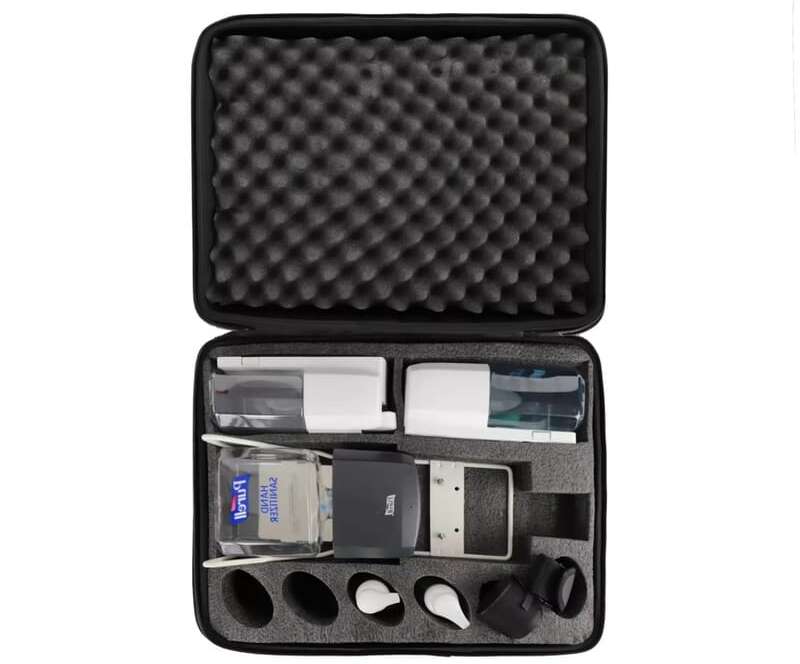
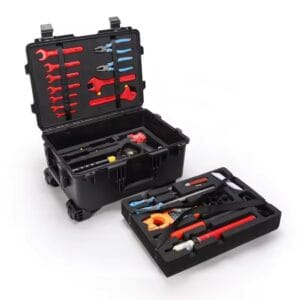
Ethylene-Vinyl Acetate (EVA) Foam: The most durable, resilient, and rubbery of the three. It offers incredible memory recovery and is typically reserved for premium, reusable tool cases and high-end consumer electronics presentation boxes.
LOGISTICS ROI AND SPACE OPTIMIZATION
Many businesses shy away from closed-cell foam packaging due to the slightly higher upfront material cost compared to open-cell polyurethane or cardboard. However, the long-term Return on Investment (ROI) is undeniable.
Because closed-cell foam is incredibly efficient at absorbing energy, you need less material to protect your product. For example, a delicate item that requires 4 inches of soft open-cell foam might only need 1.5 to 2 inches of high-density closed-cell foam to achieve the exact same safety rating.
Reducing the foam thickness directly translates to smaller overall box dimensions. In modern logistics, freight carriers bill packages using Dimensional Weight (the total volume of the box). By switching to thinner, higher-performing closed-cell inserts, you can drastically reduce your monthly shipping and courier invoices while virtually eliminating product transit damage.
CONCLUSION
Closed-cell foam packaging is not just a filler material; it is a highly predictable, engineered protective system. Its unique cellular structure provides an unmatched combination of structural strength, vibration dampening, water resistance, and cleanroom compatibility. By integrating closed-cell materials like PE or XLPE into your supply chain, you ensure that your products survive the roughest shipping routes, protecting your company’s bottom line and your brand’s reputation for quality.