
What is automotive foam packaging?
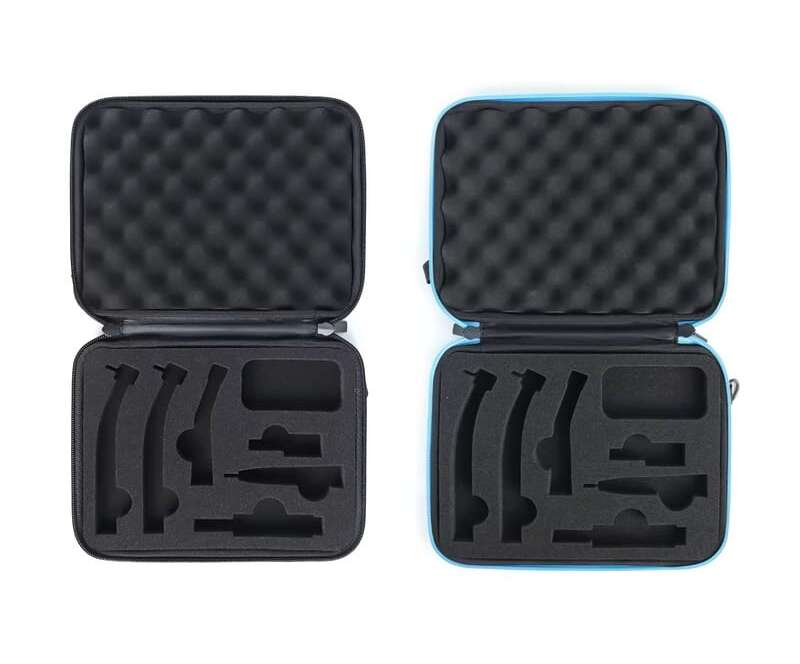
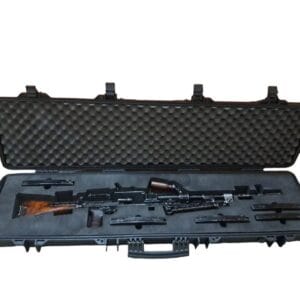
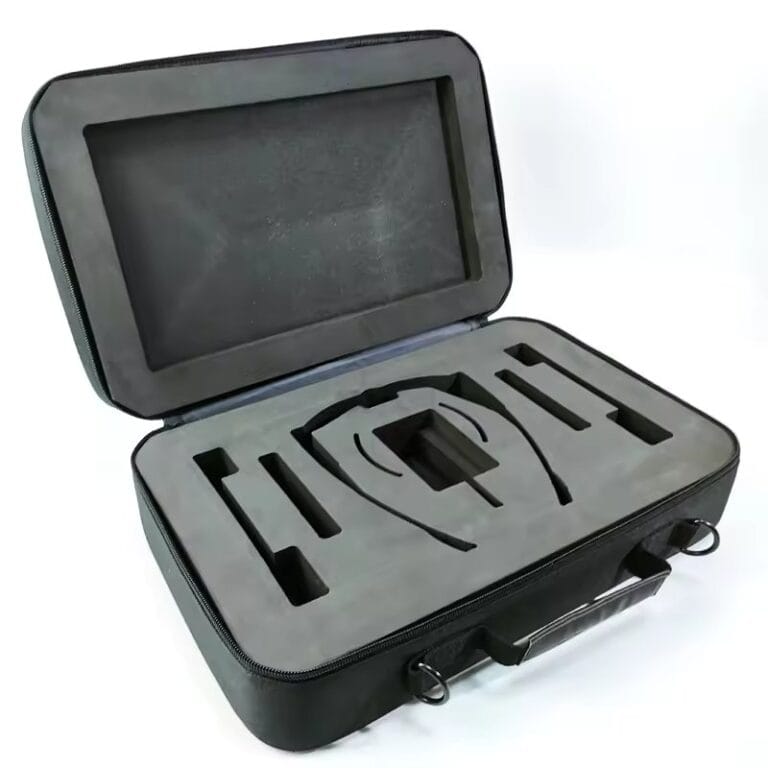
Automotive foam packaging refers to custom-engineered foam inserts and dunnage used to protect vehicle components during transport between Tier suppliers and OEMs. The most common materials are Cross-Linked Polyethylene (XLPE) for protecting sensitive “Class-A” finishes (dashboards, trim) and High-Density Polyethylene (PE) for heavy mechanical parts. These solutions are often designed for “returnable” packaging systems, allowing the foam to be reused for hundreds of cycles, significantly reducing waste and long-term costs.
The automotive supply chain is one of the most complex in the world. From the delicate sensors in Advanced Driver Assistance Systems (ADAS) to heavy cast-iron engine blocks, every part requires a specific protective strategy. In this industry, “average” packaging leads to catastrophic results: scratched Class-A surfaces, bent mounting pins, or moisture-induced corrosion.
Automotive foam packaging isn’t just a spacer; it is a high-performance dunnage solution engineered to survive the vibrations of transcontinental shipping and the rigors of automated assembly lines.
1. Protecting “Class-A” Surfaces: The XLPE Advantage
In the automotive world, a “Class-A” surface is any part the consumer sees and touches—door panels, touchscreens, polished chrome, and leather-wrapped steering wheels. These parts are highly susceptible to “burnishing” or micro-scratching caused by vibration during transit.
- Non-Abrasive Protection: Unlike standard cardboard or rougher foams, XLPE (Cross-Linked Polyethylene) has a smooth, skin-like texture. It cradles the part without acting as an abrasive.
- Zero Outgassing: Low-quality foams can release chemical vapors (outgassing) that leave a “fog” or oily residue on plastic instrument clusters or glass. Medical-grade or high-purity XLPE from Foamkart ensures that the part arrives as clean as it left the factory.
2. Engineered Dunnage for Heavy Drivetrain Components
Heavy components like transmissions, EV battery packs, and axles present a different challenge: Point Loading. If a 400lb part rests on a small surface area, it will crush standard packaging foam.
High-Density PE (Polyethylene) is the workhorse here. We utilize densities up to 9lb/ft³ to ensure the foam maintains its structural integrity even under extreme weight.
Component Type | Preferred Foam Material | Key Performance Requirement |
EV Battery Cells | Anti-Static (ESD) XLPE | Dissipates static charge; chemical resistance. |
Exterior Body Panels | Soft PU or Fine-Cell XLPE | Prevents scratching and “pressure marks.” |
Brake Rotors/Axles | High-Density Rigid PE | Structural support; oil and grease resistance. |
Electronic ECU/Sensors | Conductive or Dissipative Foam | Protection against electrostatic discharge. |
3. The Move to “Returnable” Logistics
Sustainability is no longer optional in the automotive sector. OEMs (Original Equipment Manufacturers) are increasingly demanding returnable packaging systems.
Instead of using single-use cardboard and bubble wrap, Foamkart designs custom inserts for plastic “totes” or metal racks.
- Durability: Custom-cut PE and XLPE foam can last for 50+ round trips without degrading.
- Robotic Integration: CNC-cut foam provides 100% repeatable positioning. This is critical for robotic arms on assembly lines that need to “pick” a part from a specific coordinate every time.
- Space Optimization: We use nested designs to fit 15% to 20% more parts into a single shipping container compared to generic wrapping methods.
4. Chemical and Fluid Resistance
Automotive parts are rarely “clean.” They often carry residual cutting oils, hydraulic fluids, or rust inhibitors.
- Closed-Cell Integrity: Foamkart’s PE and XLPE are closed-cell foams, meaning they do not act like a sponge.
- Contamination Control: Fluids stay on the surface of the foam where they can be wiped off, rather than soaking into the material and causing the foam to swell, soften, or rot over time.
5. The Design Process: From CAD to Assembly Line
To create a truly optimized automotive foam insert, the process follows a precise engineering sequence.
- Data Extraction: We start with the 3D CAD file of the automotive component to identify the center of gravity and the “no-touch” zones (fragile clips or sensors).
- Density Mapping: Based on the weight of the part, we select the foam density that falls within the correct “Cushion Curve” to absorb a 30-inch drop.
- CNC Prototyping: We cut a prototype and conduct “fit-tests” to ensure the part can be easily inserted and removed by line workers (the “Human Factor”).
- Mass Production: Once validated, we utilize high-speed CNC or die-cutting to produce thousands of identical inserts with zero variance.
The Bottom Line: Total Cost of Ownership
In automotive logistics, the cheapest foam is often the most expensive choice. A single rejected pallet of scratched interior trim can cost more than an entire year’s supply of high-quality XLPE inserts. By investing in automotive foam packaging from Foamkart, Tier suppliers protect their reputation, reduce their carbon footprint through reusability, and ensure that every part arrives “Line-Ready.”