

Medical and Healthcare
Custom Foam Inserts for Medical Equipment
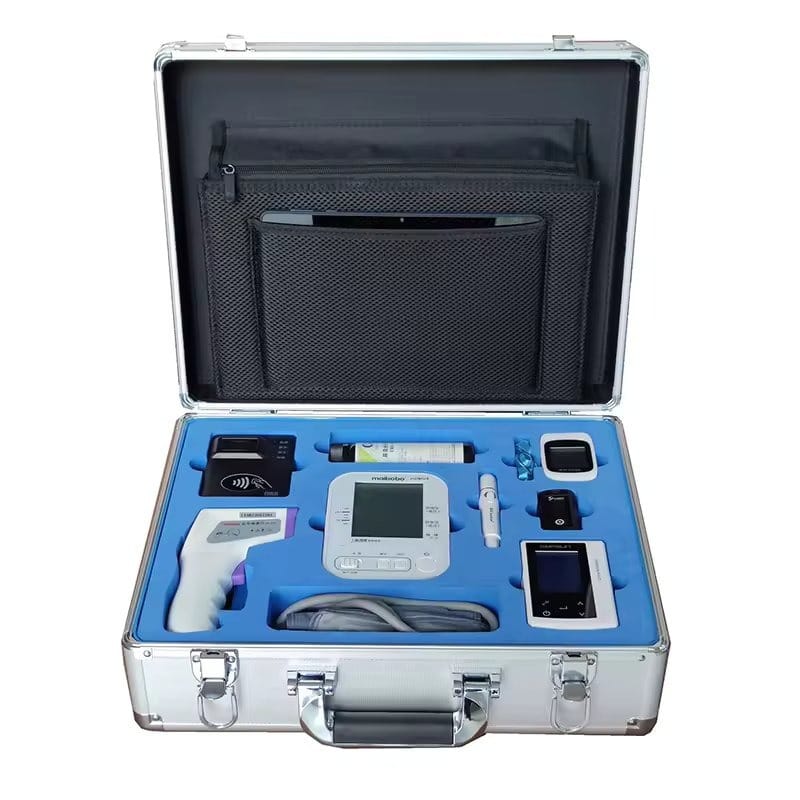
Precision Foam Cutting for Safe Storage, Sterile Transport & Healthcare Logistics
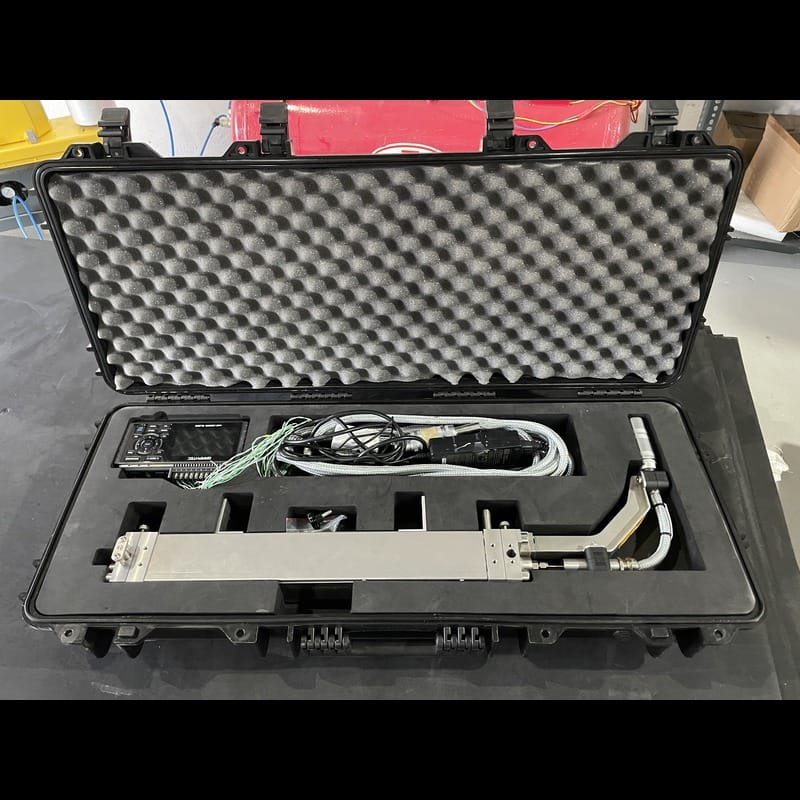
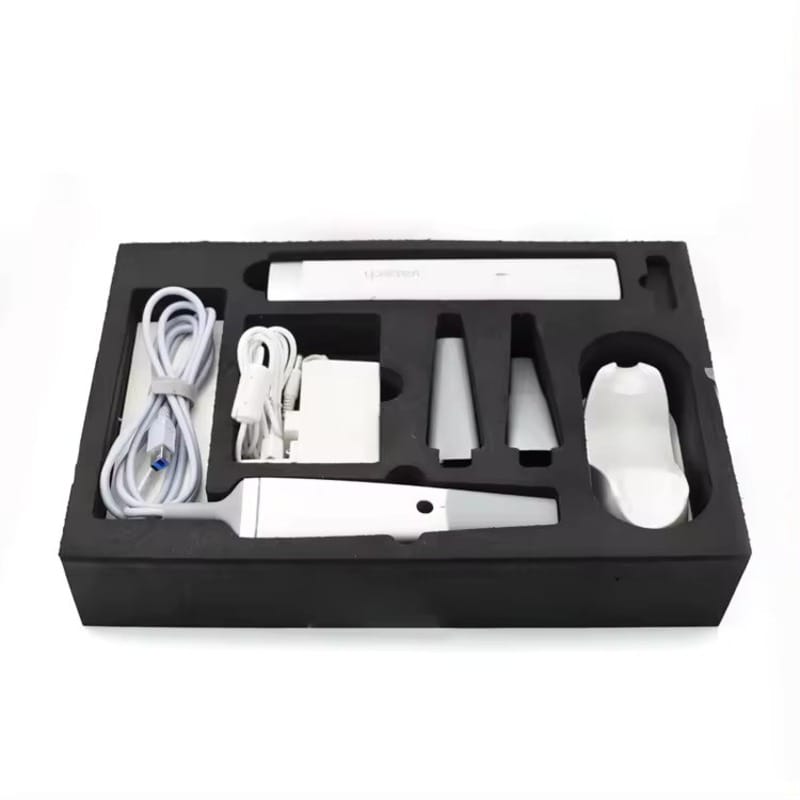
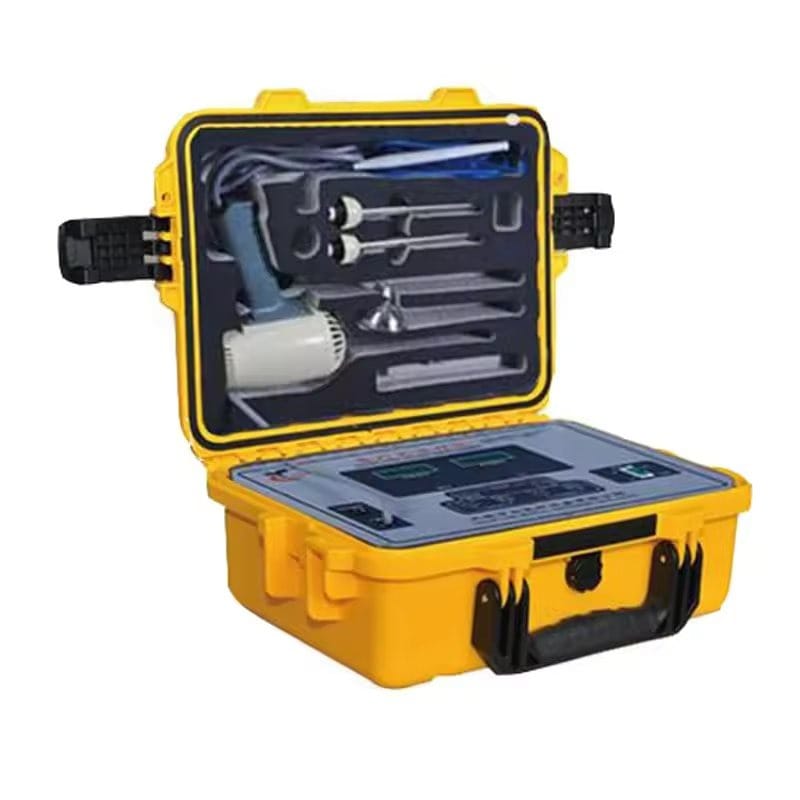
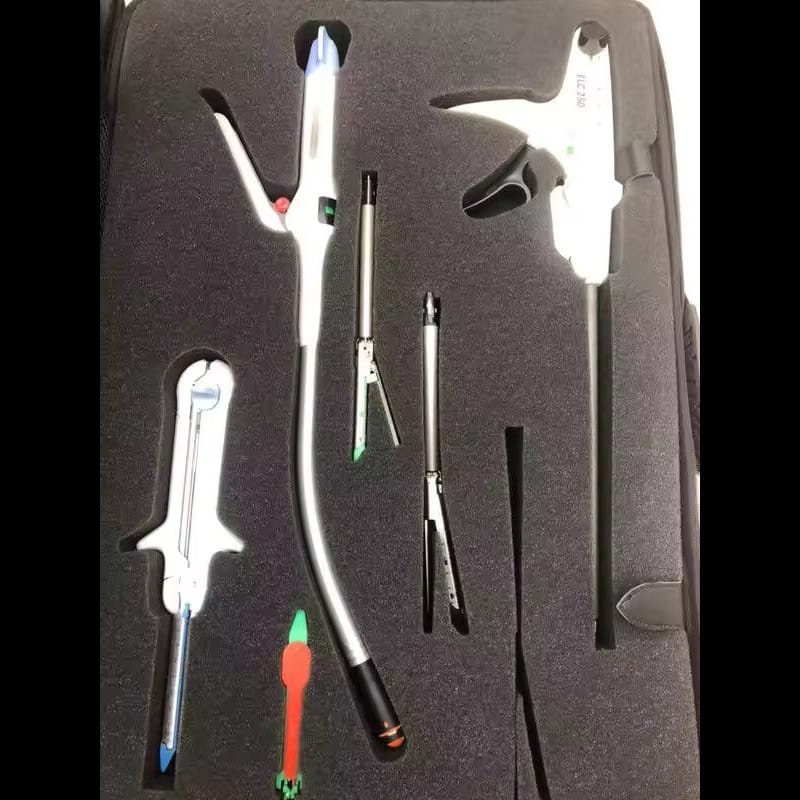
Foamkart provides custom foam cutting solutions for medical devices, surgical instruments, and diagnostic equipment, ensuring maximum protection, sterile handling, and organized storage inside rugged carry cases and IP67-rated medical transport cases.
Each foam insert is CNC precision-cut to match the exact dimensions of the equipment, holding every component securely in place to prevent impact damage, contamination, and movement during transport.
How do you safely transport delicate medical equipment?
Delicate medical equipment is best transported using custom-cut closed-cell foam inserts that provide shock absorption, precise positioning, and contamination-resistant storage inside protective medical-grade carry cases.
Why Custom Foam Is Critical in Healthcare
Medical equipment requires protection from:
- Impact and vibration
- Misalignment of sensitive components
- Dust and moisture exposure
- Handling damage during transport
Custom foam inserts ensure:
- Equipment safety
- Sterile storage conditions
- Faster deployment in critical environments
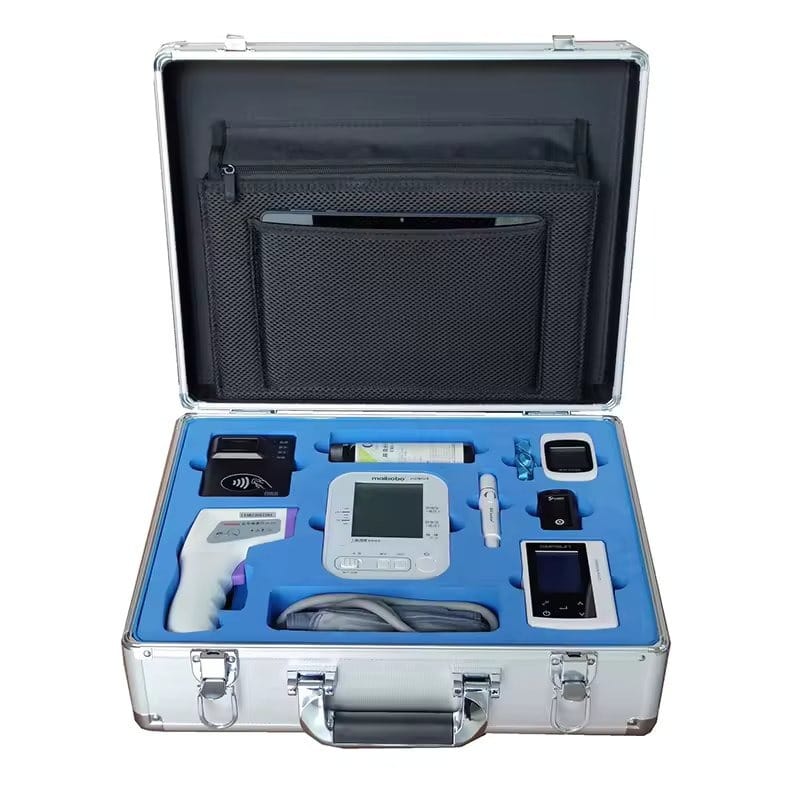
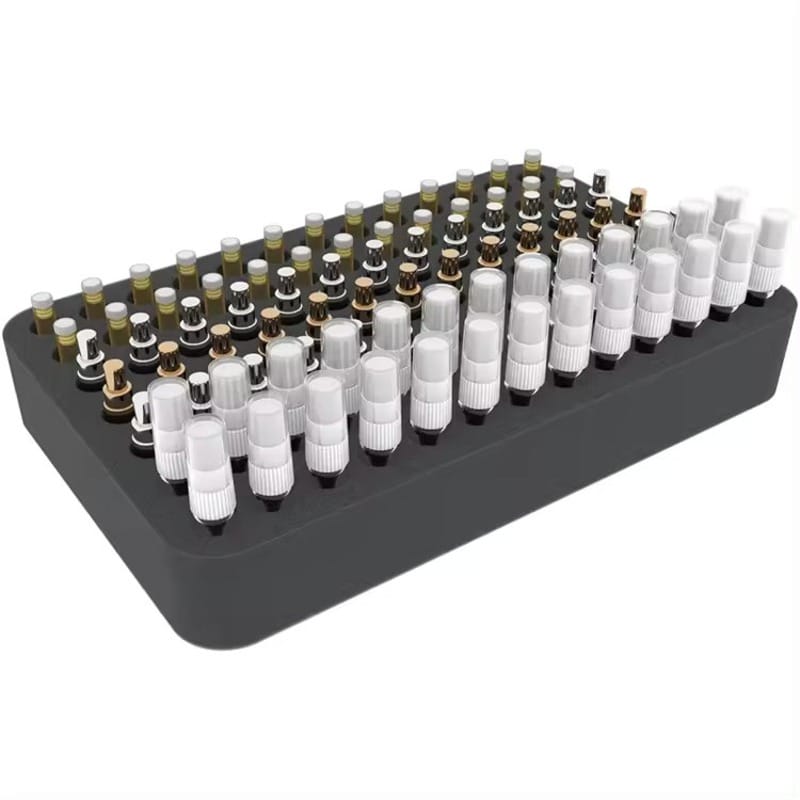
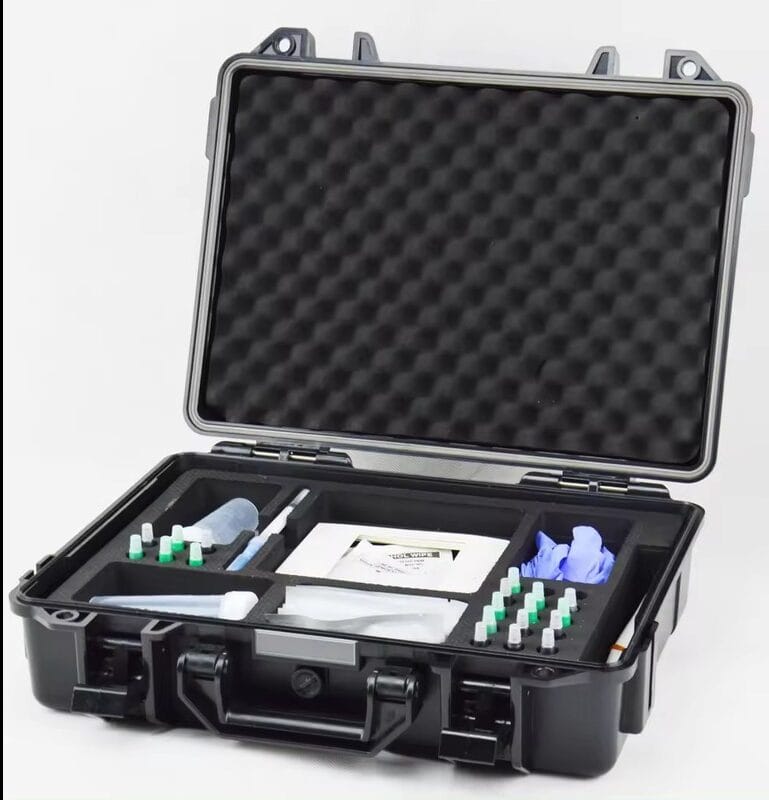
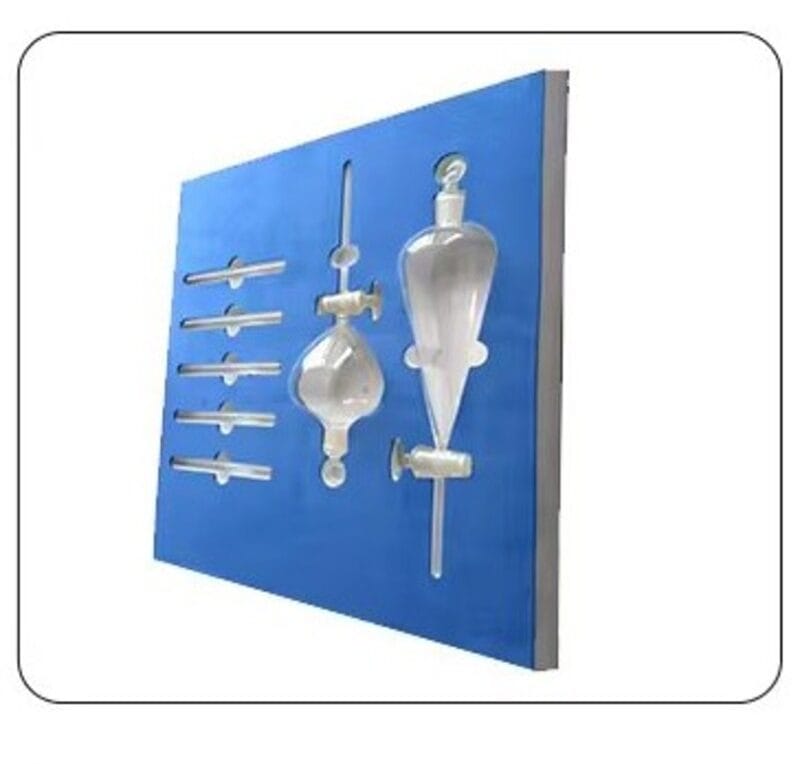
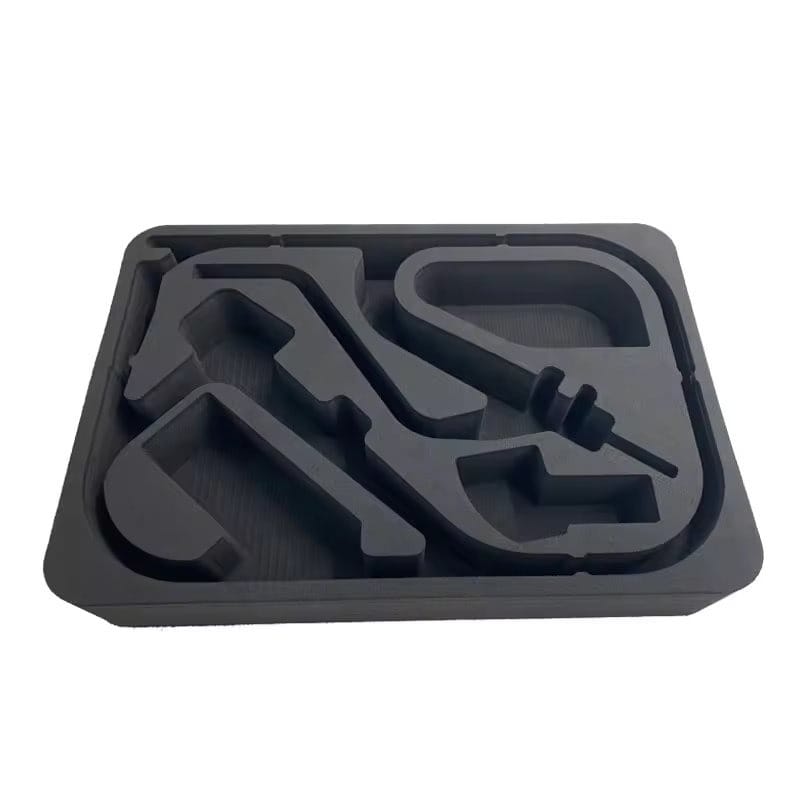
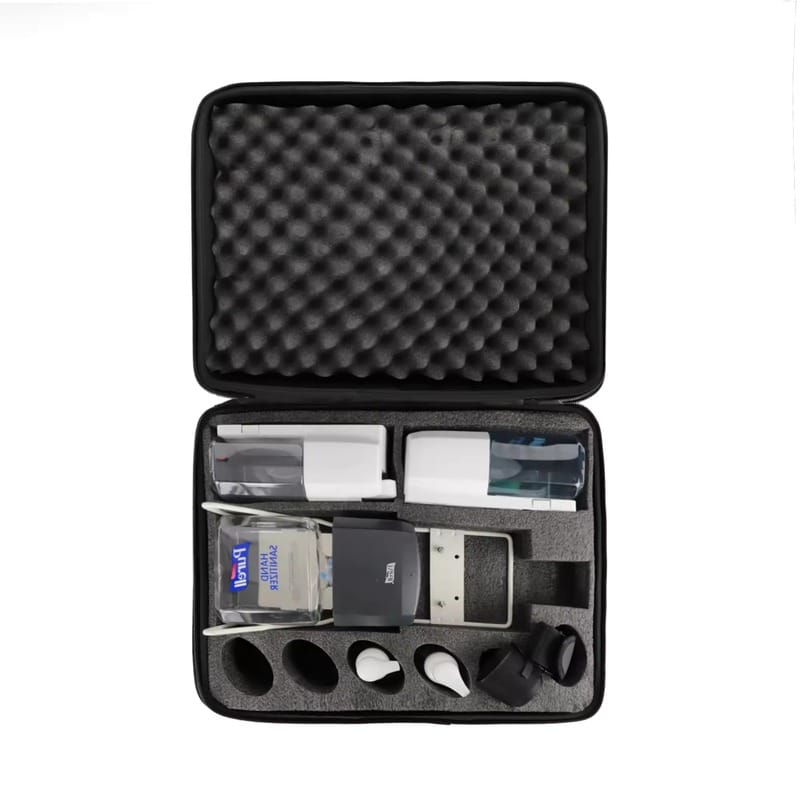
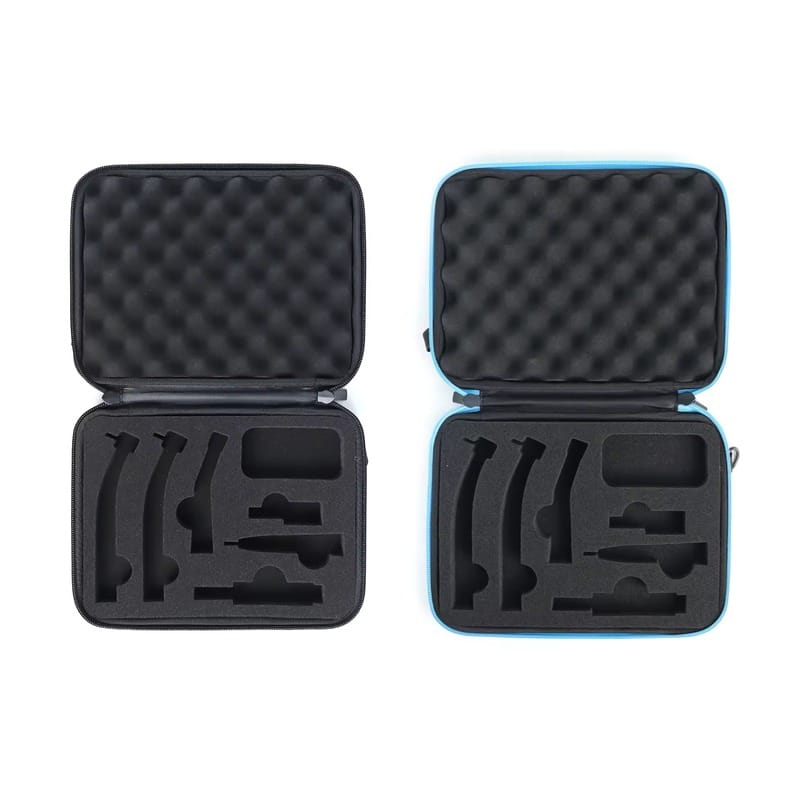
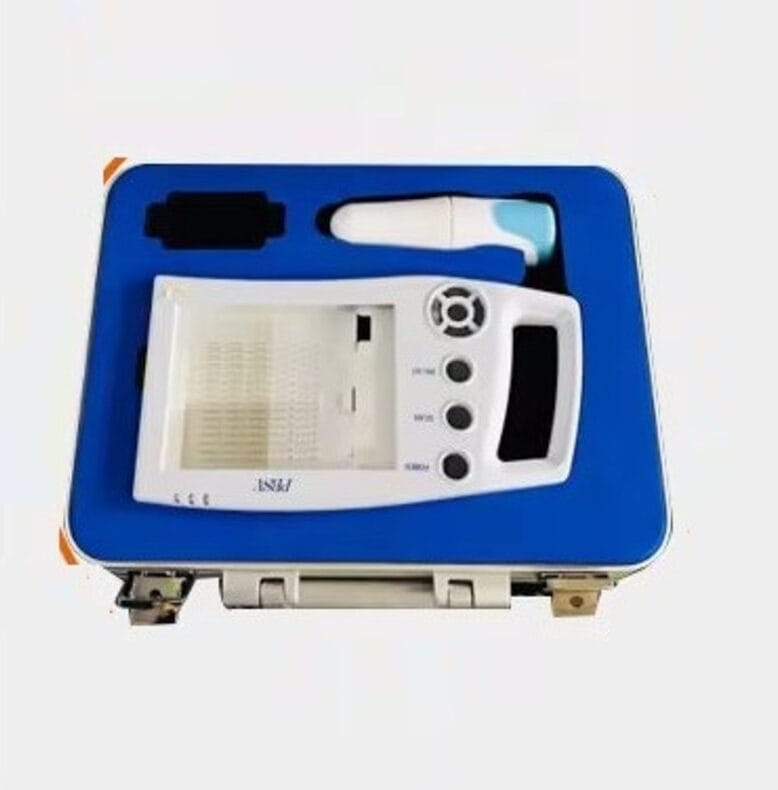
Designed for Complete Medical Equipment Organization
Custom layouts can be created for:
- Surgical instrument kits
- Portable diagnostic devices
- Patient monitoring systems
- Ultrasound & imaging accessories
- Dental equipment
- Laboratory devices
- Emergency medical kits
This enables quick identification, faster setup, and efficient workflow for healthcare professionals.
Compatible with Medical-Grade Protective Cases
Designed for:
- IP67 waterproof carry cases
- Heavy-duty medical transport cases
- Flight cases for biomedical equipment
- Portable field medical kits
Key Advantages
- Shock and vibration protection
- Moisture and dust resistance
- Easy-to-clean surfaces
- Long equipment lifespan
Medical-Grade Foam Material Options
Selected based on hygiene, durability, and protection level:
- Medical-grade XLPE Foam – Closed-cell, chemical resistant, easy to sanitize
- Anti-microbial EVA Foam – Durable and hygienic
- Soft PU Foam – Cushioning for delicate instruments
- ESD Foam – Protection for electronic medical devices
Key Benefits for Healthcare Operations
- Precise fit for each instrument
- Sterile and contamination-resistant storage
- Faster access during procedures
- Reduced equipment damage
- Professional presentation for medical kits
Ideal For
- Hospitals & surgical centers
- Medical device manufacturers
- Biomedical service teams
- Diagnostic labs
- Emergency response units
- Field healthcare operations
Why Choose Foamkart
Foamkart delivers high-precision custom foam fabrication for the healthcare sector with:
- Advanced CNC cutting technology
- Medical-grade foam materials
- Custom kit layout design
- Scalable bulk production
- Reliable turnaround time
Get Custom Foam for Your Tool Organization
Upgrade your toolbox with precision-engineered foam inserts for better protection, faster access, and professional tool control.
FAQs
What are the best foam materials for medical device packaging?
For medical applications, Medical-Grade Cross-Linked Polyethylene (XLPE) and High-Density EVA are preferred. These materials are chosen because they are closed-cell, non-absorbent, and do not support the growth of bacteria or fungi. Unlike standard foams, medical-grade XLPE is often tested for ISO 10993 biocompatibility to ensure it doesn’t cause skin irritation or toxicity if it comes into contact with patients or clinicians.
Can Foamkart inserts withstand medical sterilization processes?
Yes. Many of our high-density closed-cell foams are compatible with common sterilization methods such as Ethylene Oxide (EtO) gas and Gamma radiation. However, for Autoclave (steam) sterilization, specialized heat-resistant polymers are required. We recommend consulting with our team to match the foam density to your specific sterilization protocol to prevent warping or structural breakdown.
How do custom foam inserts prevent cross-contamination in hospitals?
Unlike open-cell “egg-crate” foam that traps dust and fluids, our closed-cell CNC-cut foam is non-porous. This means it can be wiped down with hospital-grade disinfectants (like isopropyl alcohol or bleach solutions) without soaking up the liquid. This surface-level cleaning capability is critical for maintaining sterile environments and preventing HAI (Healthcare-Associated Infections).
Are your medical foam inserts manufactured in a cleanroom?
While standard industrial foam is cut in open factories, Foamkart can facilitate Cleanroom Manufacturing environments for sensitive diagnostic equipment. This ensures that the inserts are free from particulates, oils, and “shedding” fibers that could compromise the optics of a surgical laser or the calibration of a laboratory sensor.
Why is dual-contrast "Shadowing" important for surgical kits?
In high-stress environments like an Operating Theater, Tool Accountability is life-saving. By using a dual-color foam (e.g., a blue top layer over a yellow base), a surgeon or nurse can tell at a single glance if a specific instrument is missing. This visual management system is a cornerstone of 5S Lean Healthcare and prevents retained surgical items (RSIs).
Do these inserts protect sensitive calibration on diagnostic gear?
Yes. High-end diagnostic tools, like portable ultrasound machines or ECG monitors, are prone to “calibration drift” if subjected to constant vibration. Our custom inserts are engineered with specific G-force dampening calculations to ensure that delicate internal sensors remain perfectly aligned during transit between clinics or on emergency vehicles.
Is the foam "off-gas" safe for sensitive laboratory optics?
Absolutely. Many generic foams release volatile organic compounds (VOCs) known as off-gassing, which can create a foggy residue on lenses and digital displays. Foamkart uses chemically inert XLPE foams that do not off-gas, protecting the optical clarity of microscopes, endoscopes, and laser apertures.
Can custom foam accommodate heavy medical monitors and batteries?
Yes. We utilize multi-density layering. For heavy equipment like defibrillators or patient monitors, we use a very high-density base layer to prevent “bottoming out” and a softer, energy-absorbent top layer to cradle the screen and chassis. This ensures the center of gravity remains stable during transport.
How do custom inserts improve the workflow for EMS and First Responders?
In emergency medicine, every second counts. Custom foam eliminates the “jumble” of standard medical bags. We design layouts based on procedural flow—grouping intubation tools in one section and IV start kits in another—allowing paramedics to find what they need by muscle memory without searching through loose pouches.
Are Foamkart medical inserts resistant to blood and bodily fluids?
Yes. Our closed-cell materials are hydrophobic, meaning they repel blood, water, and other biological fluids. If a spill occurs, the fluid stays on the surface rather than seeping into the core of the foam, allowing for a thorough “deep clean” that meets stringent biohazard safety protocols.
Can you design foam for oddly shaped orthopedic implants or prototypes?
Using 3D CAD modeling and laser scanning, we can create perfect nests for highly complex geometries, such as orthopedic bone plates, prosthetic components, or dental implants. This prevents the delicate “burrs” and polished surfaces of these implants from touching anything that could cause a scratch or structural flaw.
Does medical foam degrade over time with frequent use?
Standard polyurethane “yellows” and crumbles within a few years. Our medical-grade Cross-Linked Polyethylene is designed for a 10+ year lifespan. It maintains its shape, color, and “snap-back” elasticity even after thousands of cycles of equipment being removed and replaced.